Continuous inkjet printers
Small-character, non-contact coding at production speed on bottles, cans, pouches, films, cables, components and other moving products.
Explore CIJ printersOxford Traceability | Industrial coding
CIJ and large-character DOD systems for reliable batch codes, dates, serial numbers and product identification—with the mounting, controls and data integration needed to make the printer work on the line.
Choose by application, not brochure
Oxford Traceability starts with the mark you need and the conditions around it. That prevents a fast printer being let down by the wrong ink, poor product control or an incomplete installation.
Small-character, non-contact coding at production speed on bottles, cans, pouches, films, cables, components and other moving products.
Explore CIJ printersBold text, logos and handling information printed directly onto corrugated cases, trays, sacks, timber and porous outer packaging.
Explore DOD printersControlled date, batch, counter and serial-number printing with line signals and production data supplied in the right format.
Explore variable data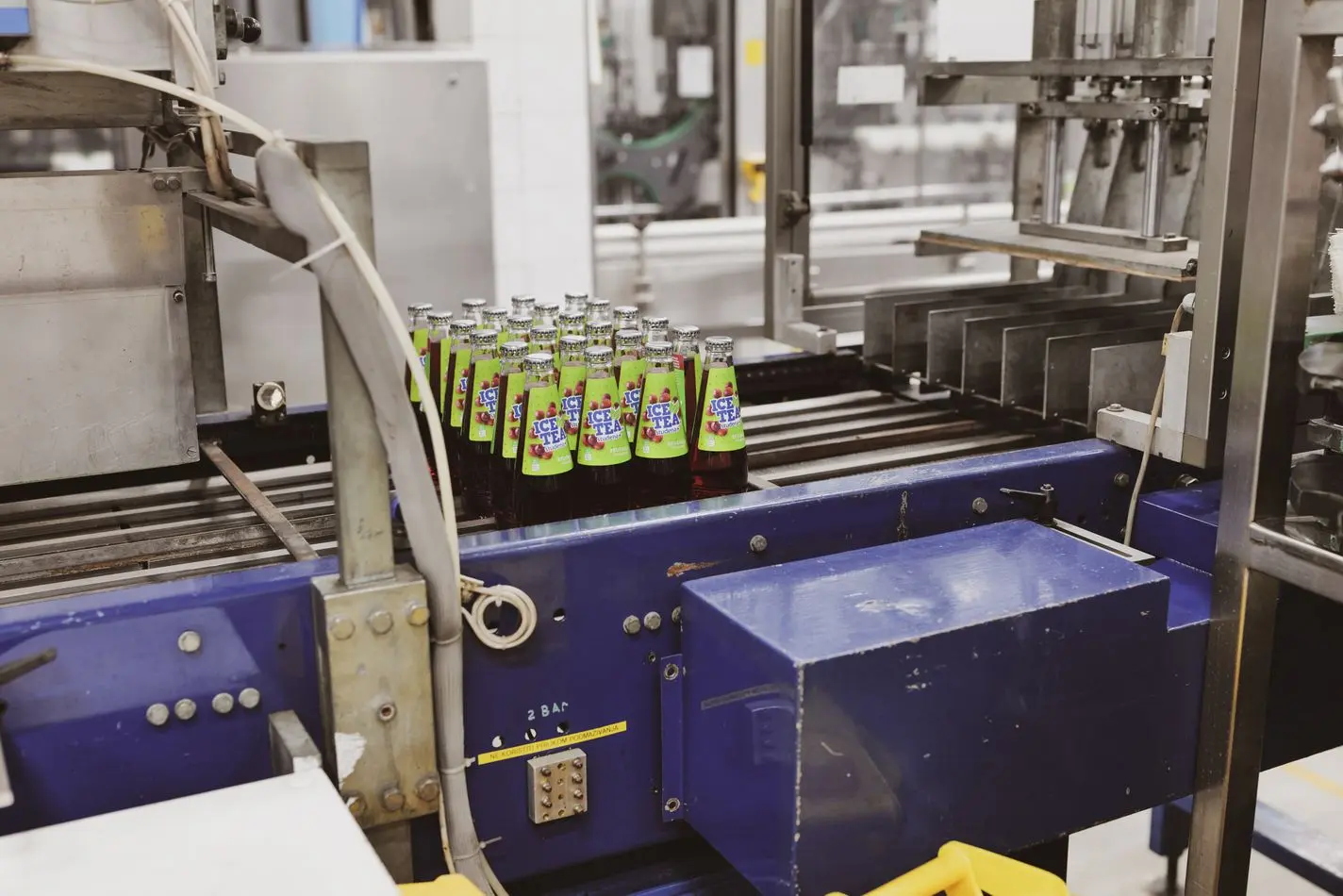 Printer selection starts with the real production environment.
CIJ or DOD?
Both are industrial inkjet technologies, but they solve different marking problems.
| Requirement | Likely starting point |
|---|---|
| Small date or batch on a fast-moving product | Continuous inkjet (CIJ) |
| Large text or logo on a cardboard case | Large-character DOD |
| Code on curved, uneven or moving products | CIJ, subject to print window and control |
| High-resolution case text or barcode | High-resolution DOD, subject to grade target |
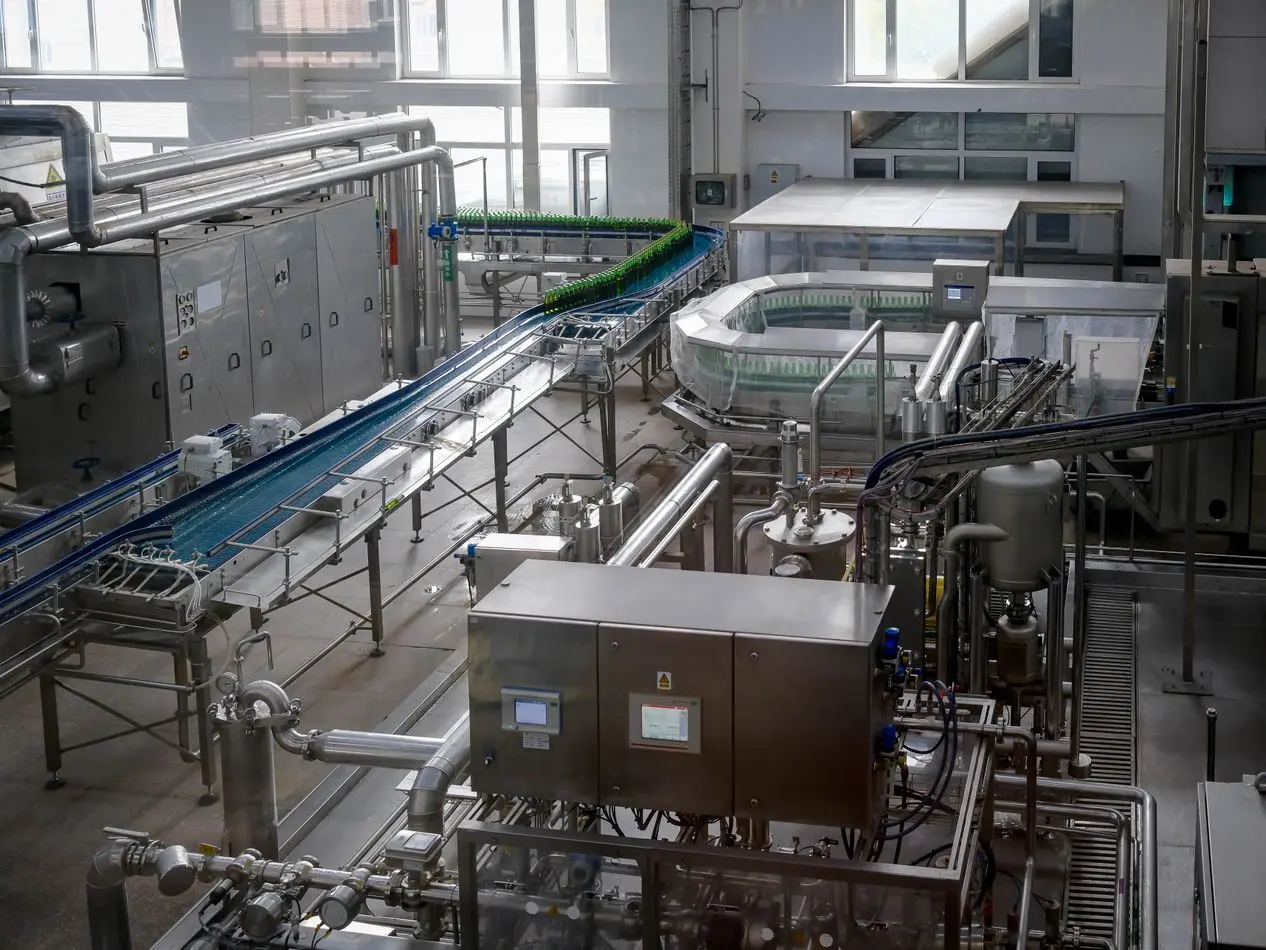
Production-line integration
A dependable result also relies on product presentation, a stable mounting, the correct sensor, speed tracking, line handshakes and a practical operator workflow.
Coding applications
From a straightforward use-by date to controlled serialised data, the selection process follows the production risk and the code that must reach the customer.
Best-before, use-by and production dates with the format, legibility and change control defined for the pack.
Date coding systemsLot, recipe, line and shift information for traceability, complaint investigation and recall readiness.
Batch coding systemsUnique or sequential identifiers supplied from the printer, line control or an authorised data source.
Serial number printingTriggers, encoders, interlocks and data handshakes that make each print happen at the right time.
Line integrationApplication-led process
Code content, dimensions, contrast, position, substrate and durability.
Speed, pitch, product movement, environment, duty cycle and changeovers.
Printer, ink, mounting, sensors, controls, data and optional verification.
Sample work, agreed scope, installation plan and operator handover.
UK manufacturing sectors
Typical applications include food and beverage, pharmaceutical and healthcare, chemicals, automotive components, cables, building products, timber, logistics and general manufacturing.
Industrial inkjet FAQs
CIJ is normally selected for small, fast codes on products or primary packs, including dates, batches and identifiers. Large-character DOD is normally selected for bigger text, logos and handling information on outer cases, sacks and porous secondary packaging.
Usually, yes. A retrofit assessment should confirm mounting space, product control, print distance, triggering, encoder requirements, guarding, power, signals and access for replenishment and maintenance.
The most useful starting information is the product and substrate, code content and size, line speed, available print area, production environment, duty cycle, number of changeovers and any data or verification requirement.
Many industrial systems can receive data from line controls, databases or production software. The exact interface, validation and failure response should be defined as part of the integration scope.
Yes. Oxford Traceability discusses and scopes industrial coding applications for manufacturers throughout the United Kingdom.
Industrial inkjet buyer guides
Use practical guidance on budget, materials, food packaging, 2D codes and uptime before defining the printer and integration scope.
See what belongs in a complete coding-station budget and how to compare lifetime value.
Read the cost guidePlan adhesion and durability tests for plastic, glass, metal, film, card and industrial materials.
Explore materialsConnect data, printing, verification and production response in one 2D coding plan.
Plan 2D codingTell us what you need to mark, the code content and the production speed. We will help you define a practical printer and integration route.
A sample printed on a stationary pack proves less than a controlled trial through the real coding zone. Check the largest message, difficult pack shape, changing speed and transition between jobs. Agree what happens to packs already on the conveyor when data changes or the printer becomes unavailable. The line-integration guide adds a practical schedule for these conditions and the evidence needed to confirm the printed result.