Printhead position, adjustment, protection, maintenance clearance and safe access.
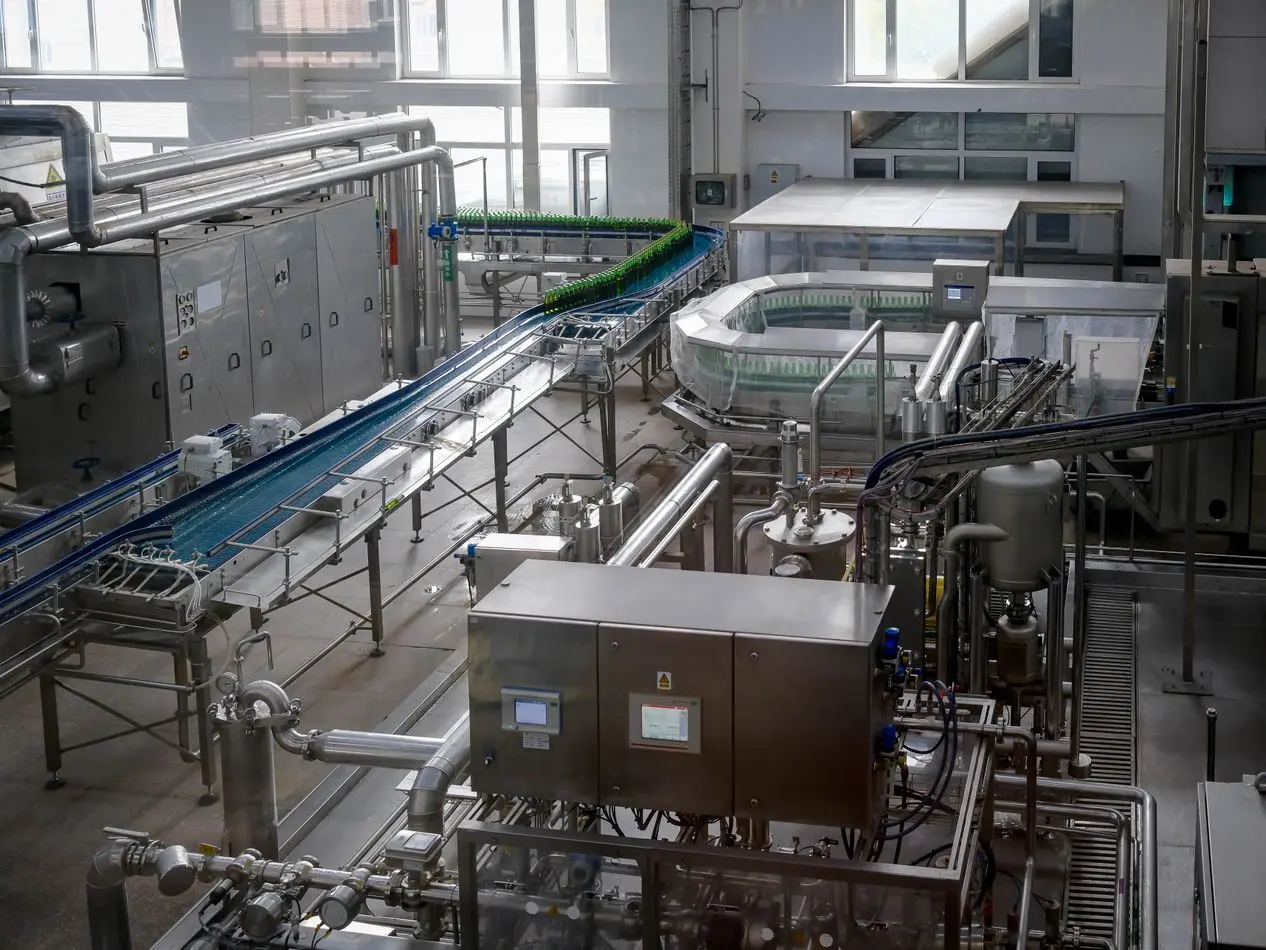
Mechanical, electrical and data integration
Industrial inkjet printer line integration
Mounting, sensing, speed tracking, line signals and data interfaces engineered around an existing conveyor or a new production machine.
Beyond the printer
A coding station that behaves as part of the line.
The printer needs to know when a product arrives, how fast it is moving, which message to print and what to do when it is not ready. The surrounding engineering turns those needs into repeatable production.
Guides, spacing, orientation and movement through the available print window.
Photoelectric sensor selection, location, debounce and encoder tracking where required.
Power, ready, warning, fault, print complete, interlock and emergency behaviour.
Recipe selection, variable fields, communications, acknowledgement and data ownership.
Operator checks or camera inspection, reject tracking, alarms and record requirements.
Station architecture
The production event from product to result.
Product guided into print zone
Sensor triggers print cycle
Encoder tracks changing speed
Printer applies selected message
Status or inspection closes cycle
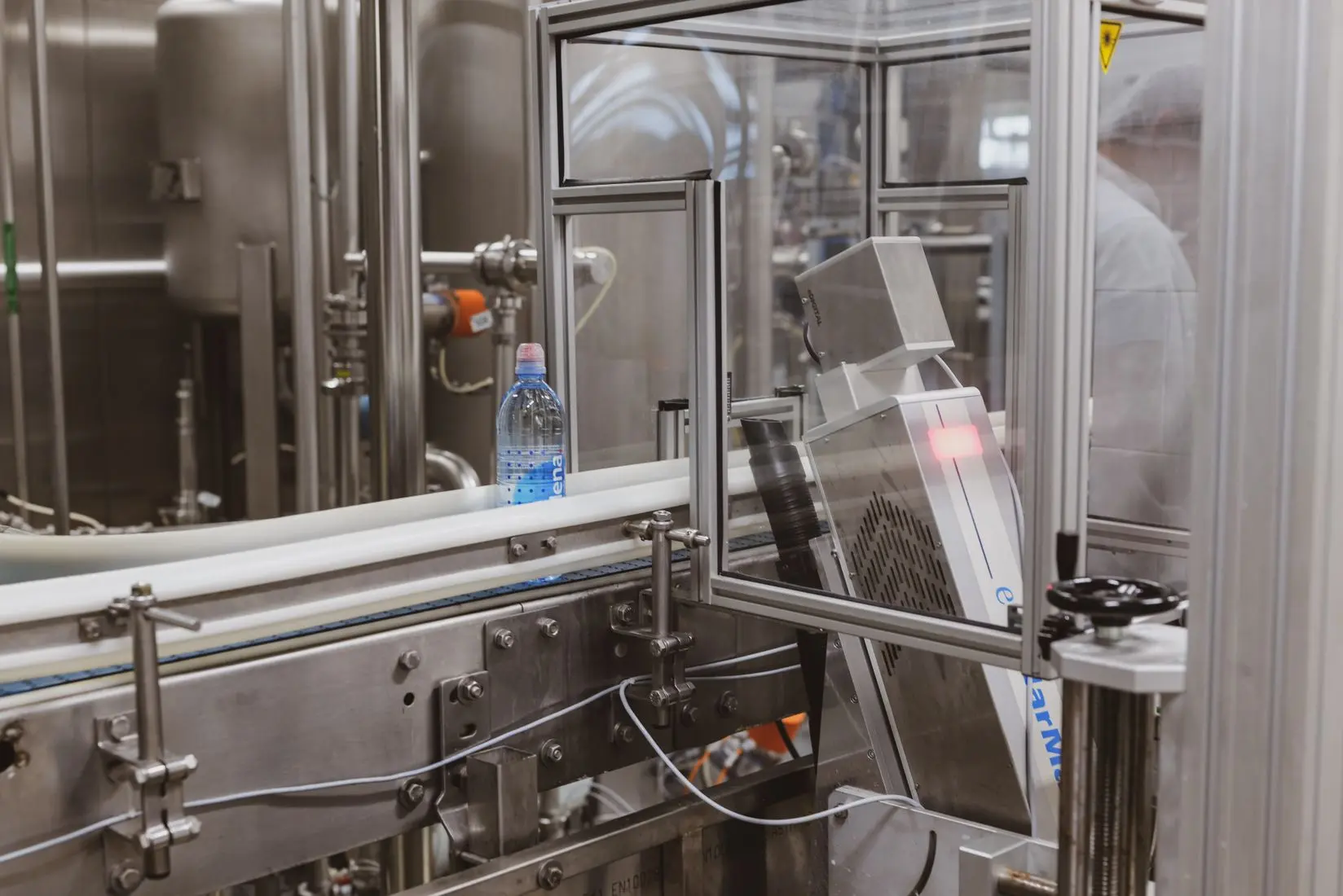 Retrofit surveys should confirm both the print window and service access.
Existing-line retrofit
Use the current conveyor where it supports a stable result.
An existing line can often accept a CIJ or DOD system, but the project should not assume there is a usable print zone merely because there is spare floor space.
- Confirm product stability and side access
- Measure the print window at every format
- Check conveyor speed range and acceleration
- Identify control voltage and available I/O
- Plan replenishment and routine maintenance access
- Review guards, cables and operator movement
Implementation and handover
Agree the acceptance result before installation.
Application scope
Products, formats, codes, speeds, data, utilities and responsibilities recorded clearly.
Sample and line tests
Defined test materials, conditions and acceptance criteria for the printed result.
Documentation
Operating information, drawings or interface schedules appropriate to the project scope.
Operator handover
Job selection, replenishment, routine care, alarm response and escalation route.
Integration FAQs
Questions about fitting a printer to a line.
What is included in inkjet printer line integration?
The scope can include mechanical mounting, printhead protection, product sensors, encoders, electrical interfaces, job selection, variable-data transfer, alarms and the response to a coding fault.
Can a printer be retrofitted without replacing the conveyor?
Often it can. The existing conveyor still needs enough stable space, appropriate product control, safe access and suitable signals. Additional guides, sensors or a short dedicated conveyor may sometimes be the better option.
When is a shaft encoder required?
An encoder is useful when print timing or image length must track a variable conveyor speed. The printer technology and line behaviour determine whether a fixed speed setting is sufficient.
Can a failed code be rejected automatically?
Yes, when a suitable inspection system, reject mechanism, product tracking and fail-safe logic are included. Printing alone does not confirm that a correct, readable code reached the pack.
Connected coding guidance
Complete the integration scope.
2D code and data flow
Define approved data, message validation, printing, inspection and response.
2D code guideMaintenance access
Plan safe access, shutdowns, cleaning, diagnostics and critical spares.
Uptime guideComplete project cost
Include mounts, sensors, controls, commissioning and support in the budget.
Cost guidePlan the printer and the line interface together.
Share line photographs, product dimensions, conveyor speed, existing controls and the required code. That gives the integration discussion a useful starting point.
Challenge the coding station beyond steady-speed printing
Build a format-by-format print-window schedule
For every pack, show the code location, largest message, product pitch and available access to the surface. Add the normal speed range and any acceleration or accumulation at that point. A rigid mounting is useful only if the pack follows a sufficiently controlled path. Review rocking bottles, bowed cases and flexible pouches separately. Identify the trial conditions needed to show that the complete message remains within the agreed area when the difficult format reaches the printhead.
Test job changes with a physical pack sequence
Use clearly identified sample packs before and after a planned change in batch or product. Define the event that authorises the next message and account for packs already between the sensor, printhead and inspection point. A printer-ready signal does not prove that the intended job is active. Compare the requested data, selected message and printed result. Include a stopped line with packs remaining in the coding zone so the restart cannot silently apply new information to old work in progress.
Agree a response to uncertain coding
Challenge the agreed commissioning scenarios for an absent trigger, printer-not-ready state, lost data connection and an unreadable or missing code. Decide which conditions hold production, reject a tracked pack or require operator review. If inspection is included, test its association with the correct item through the reject point. Record how the line deals with uncertainty after a power interruption. These checks should use controlled commissioning arrangements and the integrators’ approved procedures; they are acceptance requirements, not instructions to alter a running production line.