The mark must dry before guides, belts, stacking or packing can smear it.
Industrial inkjet ink and adhesion
Inkjet printing on plastic, glass, metal and packaging
Match the printer and ink to the exact surface, production environment and durability requirement before the line is commissioned.
Direct answer
What materials can an industrial inkjet printer mark?
Industrial inkjet systems can print on many porous and non-porous surfaces, including common plastics, glass, metal, flexible film, cardboard, paper, timber, cables and coated products. Successful printing depends on the exact material, surface treatment, contamination, temperature and required resistance—not just the generic material name.
For example, two containers both described as “plastic” can have different polymers, mould-release residues or surface energy. Ink that looks acceptable immediately may fail after chilling, rubbing, washing or chemical exposure. A representative production sample is therefore part of the specification.
Best next step
Test the production surface, not a substitute.
Supply components from the intended supplier, including the real colour, coating and production condition. State what the code must survive and how quickly it must be ready for handling.
Discuss a print sampleMaterial guide
Common substrates and the questions they raise.
| Substrate | Typical coding task | Application checks |
|---|---|---|
| HDPE, LDPE, PP and PET plastics | Dates, lots, product IDs and traceability codes on bottles, caps, tubs and extrusions | Polymer and additives, surface treatment, condensation, colour, abrasion and recycling or handling process |
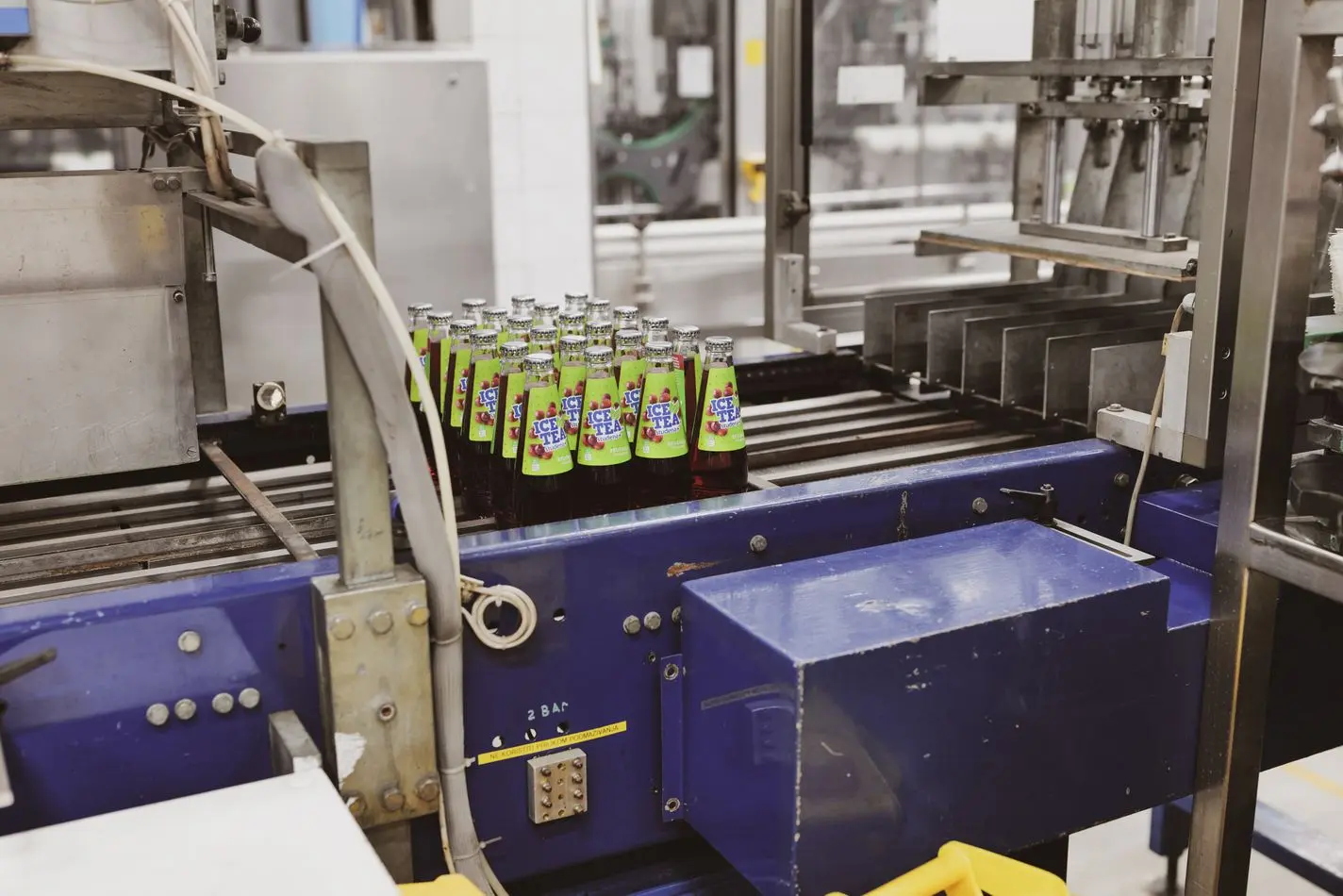
| Glass | Dates and batches on bottles and jars | Cold-fill condensation, hot or wet surface, coating, returnable-container washing and code location |
| Aluminium and steel | Codes on cans, lids, components and assemblies | Oil, lacquer, temperature, forming, abrasion, chemical contact and required contrast |
| Flexible film and foil | Dates and batches on pouches, sleeves and web material | Film chemistry, print before or after forming, web speed, movement, treatment and rub resistance |
| Corrugated board and paper | Case codes, product descriptions, lot data and machine-readable symbols | Absorbency, recycled content, colour, dust, flute profile, print height and desired resolution |
| Timber, sacks and building products | Large identifiers, grades, dates and production references | Roughness, moisture, dust, product movement, contrast and exposure after printing |
| Cable, pipe and extrusion | Repeated descriptions, standards, counters and metre marks | Material formulation, line speed, cooling water, print orientation, adhesion and repeat accuracy |
Ink selection factors
Adhesion is only one part of code performance.
Dark products may need a light or pigmented ink; camera systems also need suitable contrast.
Define rubbing, water, chilling, heat, oil, chemicals, pasteurisation or outdoor exposure.
Condensation, mould release, oil and dust can change wetting and adhesion.
Ventilation, operator exposure, storage and site rules should be considered with the fluid choice.
The ink must be approved for the print engine, seals, recovery system and intended operating conditions.
Sample-test protocol
Evaluate a code in four stages.
Define
Agree the code size, speed, print position, handling time and pass criteria.
Prepare
Use representative samples in the condition seen on the line, including moisture or temperature.
Record printer, ink, settings, distance, orientation and time before handling.
Challenge
Apply the actual rub, chill, wash, chemical, heat or storage conditions, then inspect readability.
Important: a visually sharp code immediately after printing is not evidence that it will remain readable through the full product journey.
Practical answers
Frequently asked questions.
Can industrial inkjet print on plastic?
Yes, industrial inkjet is widely used on plastic products and packaging. The specific polymer, colour, surface treatment, contamination and resistance requirement determine the ink and test method.
Can CIJ print on wet or cold bottles?
Some CIJ systems and inks are designed for demanding beverage conditions, but condensation, temperature and line speed must be assessed using representative bottles. Product handling and print location also affect the result.
What ink is best for a dark surface?
A contrasting or pigmented ink may be appropriate, but opacity, printhead compatibility, maintenance, speed and durability must be considered together. A sample test is the safest route.
Why does an inkjet code rub off?
Common causes include unsuitable ink, contamination, insufficient drying time, excessive print distance, condensation, a changed coating or a downstream process that was not included in the original test.
Test the ink against the real substrate and process.
Share the exact material, surface condition, code and resistance requirement to plan a representative print trial.