Plastic bottles and tubs
Dates and batch information on PET, HDPE, LDPE or PP surfaces, with polymer, colour, treatment and condensation checked.
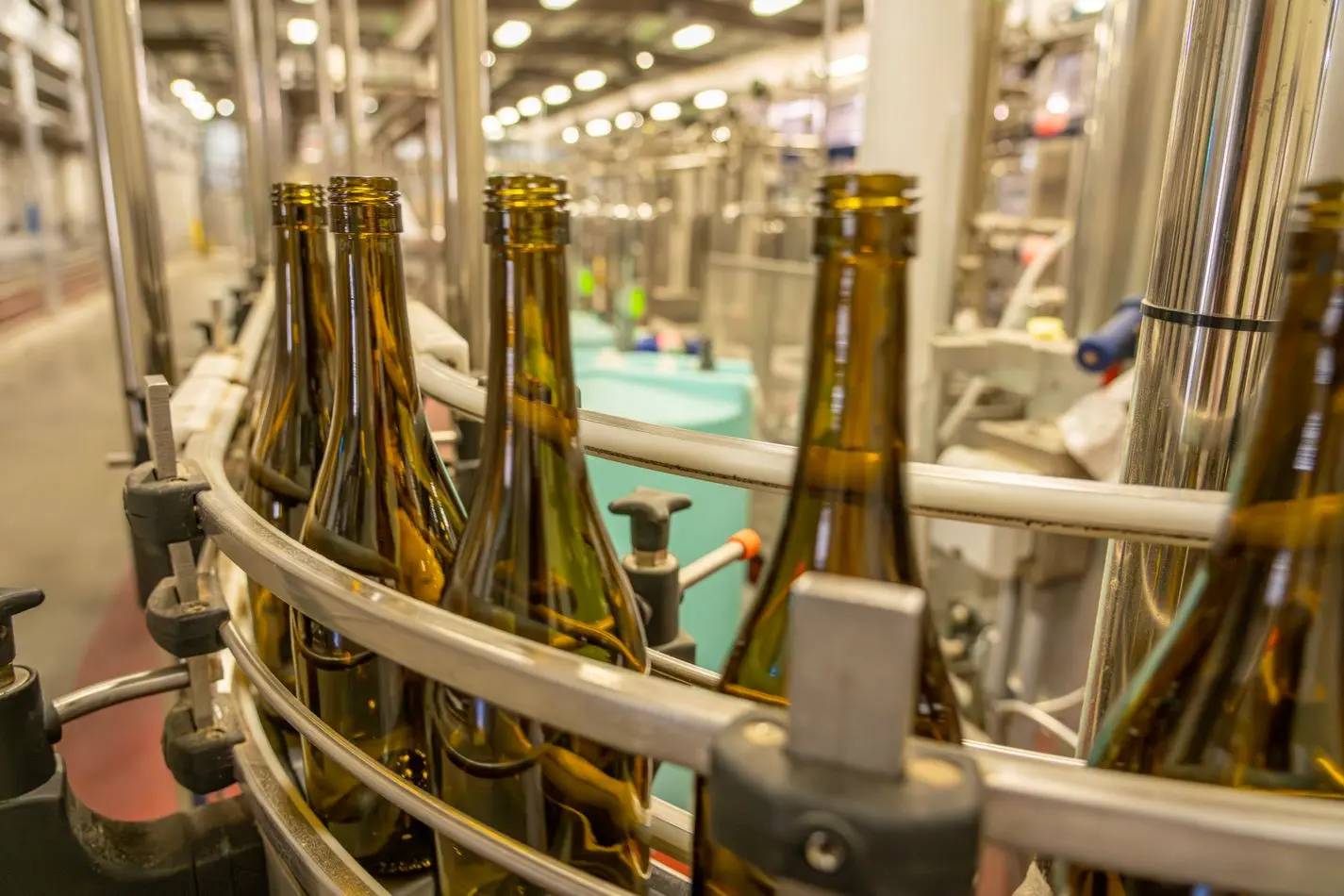
Food packaging date and batch coding
Plan readable date, lot and traceability codes around the packaging material, hygiene routine, line speed and retailer requirements.
Direct answer
A food and beverage coding printer applies variable information such as best-before or use-by dates, batch and lot references, production times, line identifiers and machine-readable codes to a product or pack as it moves through production.
Continuous inkjet is commonly considered for compact, high-speed codes on bottles, cans, jars, films and many primary packs. Large-character DOD is commonly considered for readable case and tray information. The correct choice depends on material, code size, speed, moisture, cleaning regime and downstream handling.
Include the exact packaging supplier and colour, code location, line speed, print window, ambient condition and what happens after coding—chilling, pasteurisation, sleeving, packing or abrasion.
Explore date and batch codingPackaging applications
Dates and batch information on PET, HDPE, LDPE or PP surfaces, with polymer, colour, treatment and condensation checked.
Compact codes on containers or closures, considering coatings, cold-fill moisture, washing and returnable-pack processes.
High-speed variable codes on lacquered or bare surfaces, with oil, temperature, forming and abrasion included in testing.
Print position, film movement, treatment, web or pack speed and time before contact all influence quality.
Dates, lots and product references on coated or uncoated paperboard with colour and print location considered.
Larger product, lot, logistics or machine-readable information printed directly onto corrugated outer packaging.
Production conditions
Assess enclosure needs, printhead position, splash risk, cleaning chemicals and safe access.
Product and ambient temperature can affect condensation, ink behaviour and drying.
Use maximum line speed and minimum product pitch, not only average production.
Stored jobs, permissions, scanners or PLC recipes can reduce manual message selection.
Position, contrast, character size and pack artwork should support fast inspection.
Define whether operators, sensors or cameras check presence, legibility or full data.
Reduce coding errors
The printer can be part of a controlled sequence that selects the message, confirms readiness, detects the pack, applies the code and checks the result.
Need connected data? Review production-line integration and 2D barcode printing before the control scope is fixed.
Practical answers
Continuous inkjet is commonly used for compact date and batch codes on moving primary packs, while large-character DOD can suit bigger marks on outer cases. The surface, code size, speed and environment determine the right system.
Yes, industrial inkjet can code many bottles, cans and flexible packs. Each material and production condition should be tested because coatings, condensation, temperature and handling affect adhesion and drying.
Options include controlled message templates, operator permissions, barcode-scanned job selection, PLC recipe signals, prompts, line interlocks and camera verification. The required level depends on the risk assessment.
A coordinated control system can manage codes at more than one point, but primary-pack and case coding often use different printheads or technologies because their code size, surface and speed requirements differ.
Send the packaging material, code, maximum speed, hygiene conditions and changeover process for an application review.