Best-before dates
Shelf-life dates generated from an approved product or job configuration.
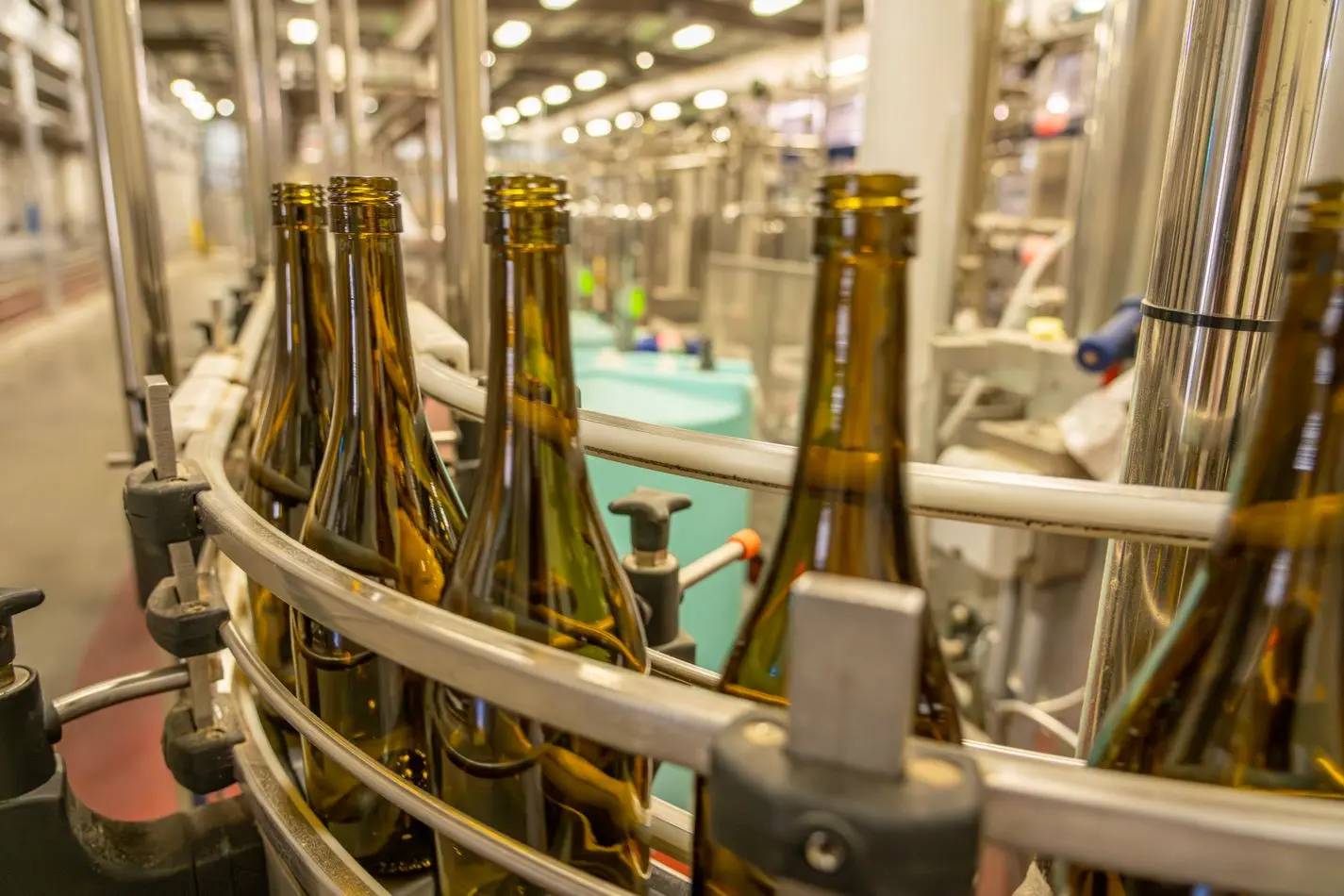
Variable production identification
Industrial systems for best-before dates, use-by dates, lot codes and production information on primary packs, products and outer cases.
Reliable variable information
A date or batch printer is only effective when the message is selected correctly and the product is presented consistently. The project should therefore cover code creation, operator access, print triggering, line-speed changes and the response to a printer fault.
CIJ is a common choice for compact primary-pack codes. Large-character DOD is commonly used for outer cases and sacks. The final technology should follow the substrate, code size, contrast, speed and working environment.
Date and batch messages can combine automatic and production-supplied fields.Common print fields
Shelf-life dates generated from an approved product or job configuration.
Critical date information with appropriate operator access and verification controls.
Production, recipe, supplier or campaign references that support traceability.
Factory, line, time and shift identifiers for faster investigation and segregation.
Reduce coding errors
The safest workflow is proportionate to the consequence of a wrong code.
Use a clear job name, recipe or upstream line selection.
Apply approved date offsets, batch rules and line information.
Present the final code for operator or automated confirmation.
Respond to printer not-ready, low consumables or inspection failure.
Substrate testing
Two packs described as “plastic” can behave differently because of resin, coating, mould-release, condensation or surface treatment.
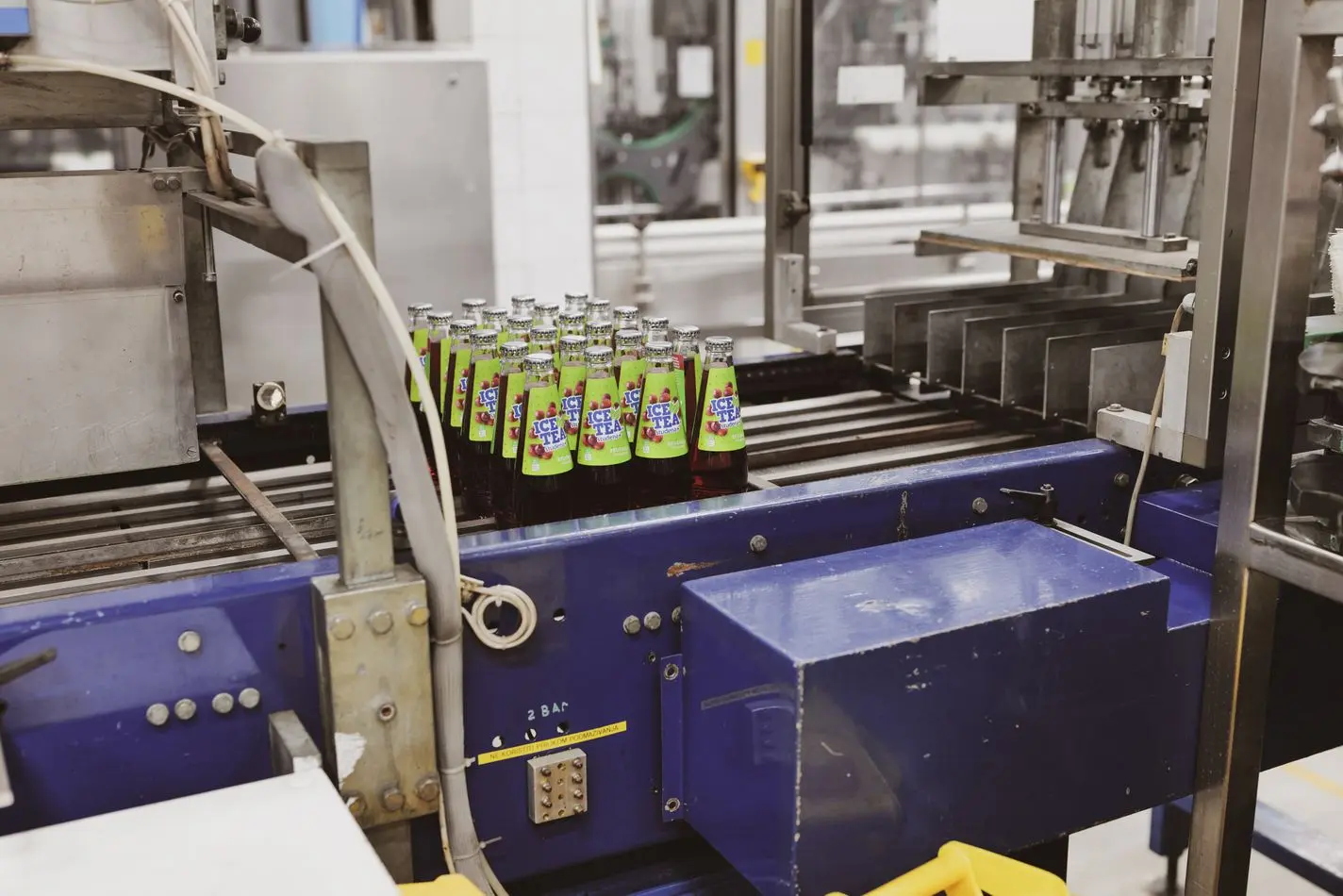
Date and batch FAQs
Yes. A print message can normally combine fixed text with automatic date fields, batch details, counters and line information, subject to the printer and available print window.
Dates may be calculated automatically from the production date and a configured offset, selected through a job or received from a line or production system. Access and confirmation steps should match the risk.
A camera can be integrated to check presence, position, legibility or content. The required inspection level, reject action and audit trail should be defined separately from the printer.
That depends on the substrate, production environment and durability requirement. The exact film, bottle, can, carton or other material should be tested rather than choosing ink by a generic material name.
Application guides
Plan dates and lots around pack materials, hygiene, moisture and changeovers.
Food coding guideCheck adhesion, drying and resistance on the real production pack.
Substrate guideConnect QR, Data Matrix or GS1 data to printing and inspection.
2D code guideTell us the pack, code format, date rules, line speed and operator workflow. We will help identify the right industrial inkjet route.