Food and beverage
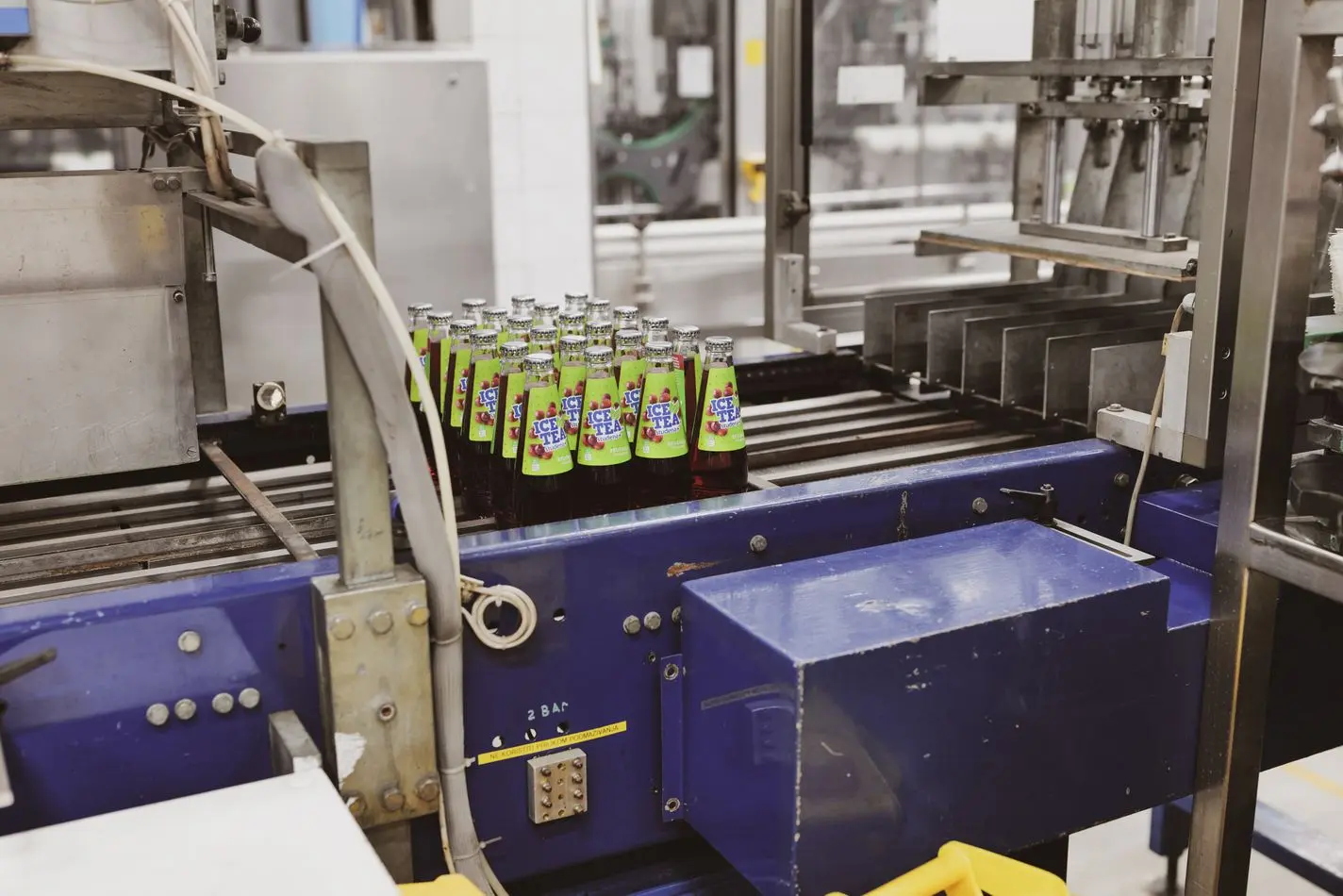
Dates and batches on bottles, jars, cans, cartons, pouches, sleeves and flexible films, with food-production conditions considered in the specification.
Small-character industrial coding
Fast, non-contact printing for dates, batches, identifiers and variable production data on moving products and packs.
What CIJ is for
Continuous inkjet creates a non-contact mark by directing charged ink droplets from a printhead to the product. It is a practical starting point when a compact code must be printed reliably on products that keep moving.
Because the printhead does not touch the surface, CIJ can suit curved bottles, cans, films, cables, extrusions and many irregular parts. The correct machine and ink still depend on the actual substrate, code height, speed, print orientation, environment and resistance requirement.
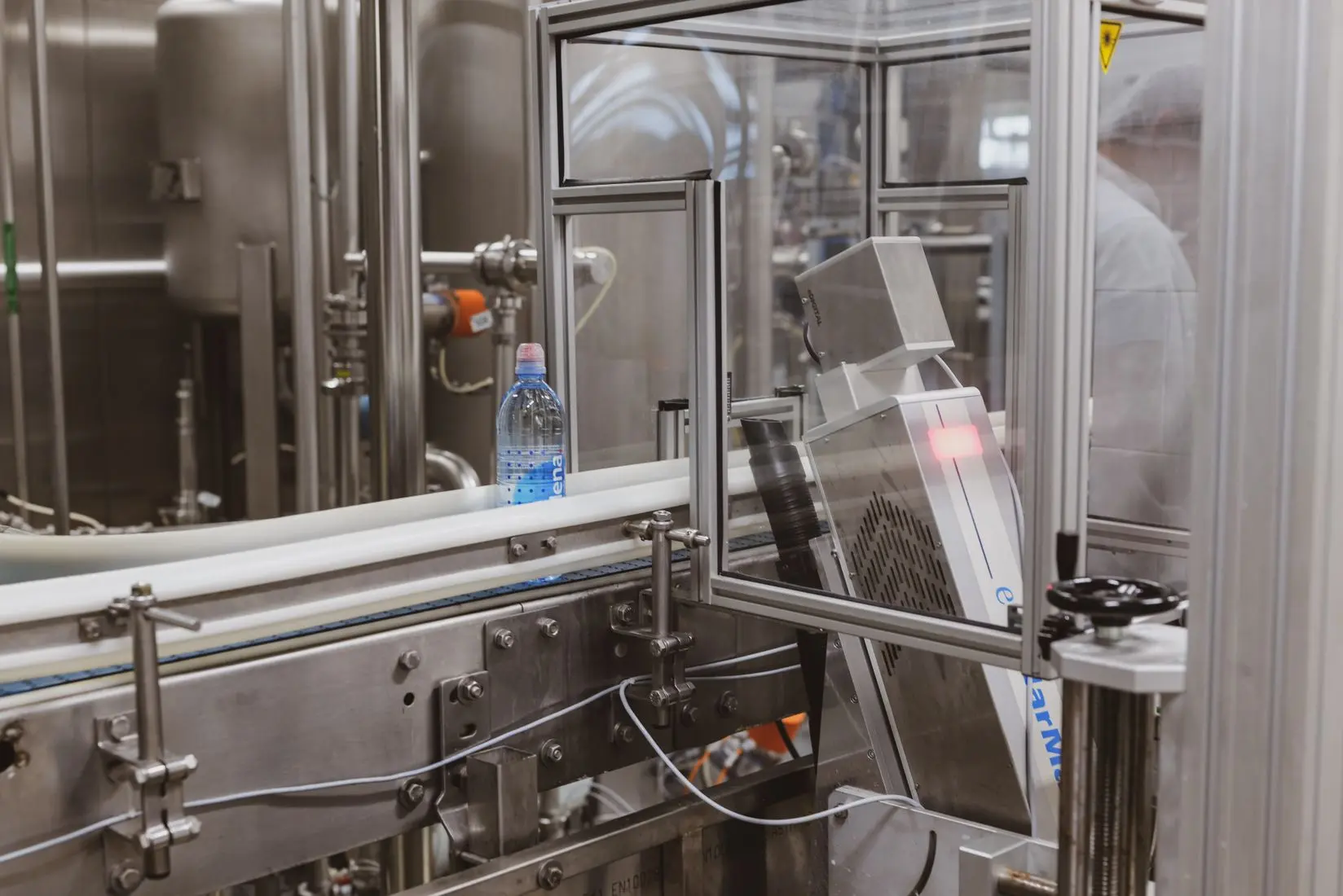 Non-contact coding can be mounted beside, above or below the product path.
Typical CIJ applications
Dates and batches on bottles, jars, cans, cartons, pouches, sleeves and flexible films, with food-production conditions considered in the specification.
Product, batch, line and traceability information on metal, plastic, rubber and coated industrial parts.
Repeated product descriptions, standards, metre marks and identifiers on continuously moving cable, pipe or profile.
Selection checklist
A sample print is useful, but it should be tested in the context of the real line and downstream process.
Plastic type, coating, glass treatment, metal finish, moisture, contamination and temperature.
Lines of text, character height, message length, data source and required readability.
Metres per minute, products per minute, code length and available print window.
Ambient conditions, IP expectation, ventilation, solvent handling and cleaning regime.
Condensation, abrasion, refrigeration, pasteurisation, chemicals or outdoor exposure.
Operator permissions, stored messages, recipe selection and error-proofing needs.
CIJ integration
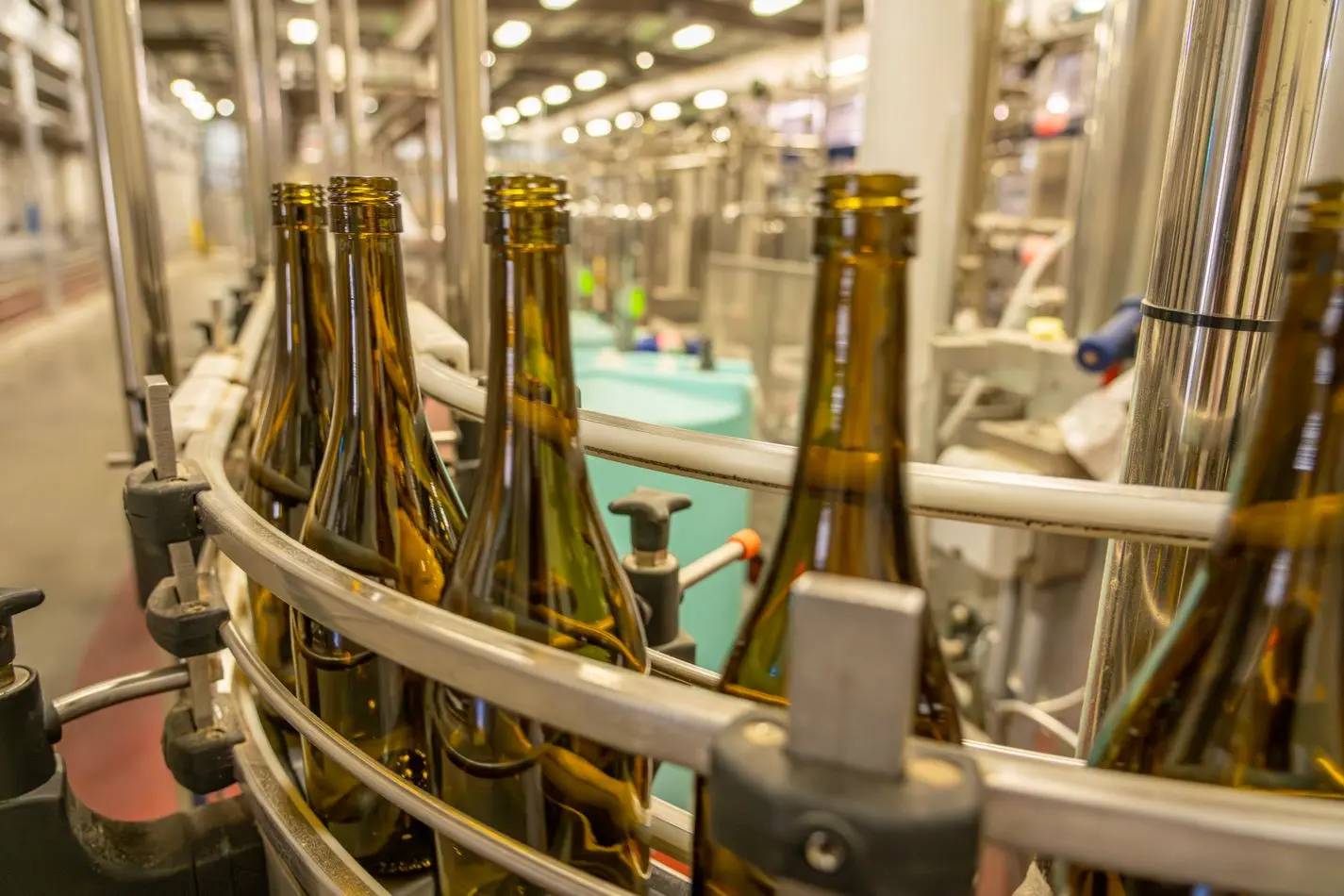
A rigid bracket, repeatable product position and correctly placed trigger can matter as much as the printer. Encoder tracking may be needed where line speed varies.
CIJ FAQs
A CIJ printer commonly prints dates, batch or lot codes, shift details, counters, product identifiers and simple machine-readable codes. The supported content depends on the selected model and production speed.
Yes, CIJ is used on many non-porous and porous materials. Ink selection and sample testing are important because adhesion, drying and resistance vary with the exact material, coating and process.
No. The printhead applies a controlled stream of ink droplets across a small air gap, which makes CIJ useful for moving, curved or slightly irregular products.
Print distance, product movement, trigger position, line-speed tracking, substrate condition, ink, environment and maintenance all influence the final code.
Related CIJ guidance
Compare the complete coding station and lifetime running assumptions.
Cost guidePlan ink adhesion, drying, contrast and resistance testing.
Substrate guideBuild operator routines, service access and spares into the project.
Maintenance guideSend a product or substrate description, the code, line speed and operating environment. Sample materials can then be discussed where useful.
A continuous inkjet printer forms small non-contact codes by deflecting charged ink droplets onto a moving product. It is commonly used for date, batch and variable data where line speed, substrate, code size, ink adhesion and maintenance must be assessed together.